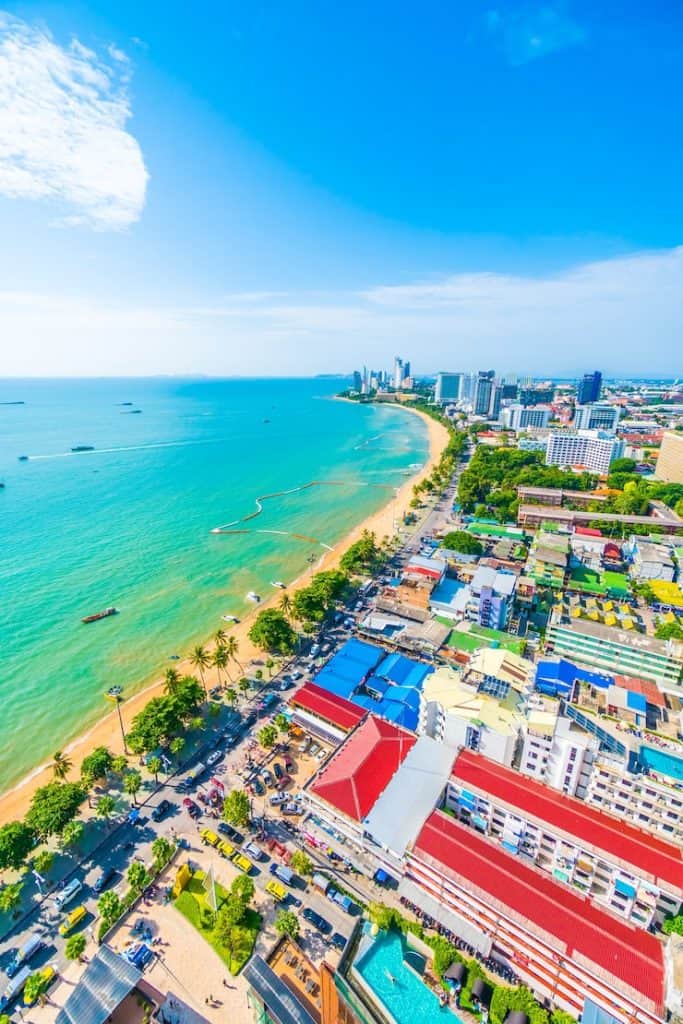
Quick Answer: Roatan sits off the north coast of Honduras in the Bay Islands and holds some of the Caribbean’s most accessible barrier reefs. West Bay Beach is the most polished option, with white sand and calm, clear water. Half Moon Bay in the West End is quieter and cheaper to reach. Paya Bay and Camp Bay offer solitude on the eastern end of the island. Each beach has a distinct personality, and the right one depends on what kind of trip you want.
Why Roatan’s Beaches Hit Different from Most Caribbean Islands
Most Caribbean islands separate the reef from the beach by a long swim or a boat ride. Roatan does not. The Mesoamerican Barrier Reef, second in size only to Australia’s Great Barrier Reef, runs close enough to shore that snorkelers wade in and find hard coral within two minutes. That fact alone changes how the beaches feel. You are not just sitting by pretty water. You are sitting at the edge of one of the world’s great reef systems.
The island stretches roughly 60 kilometers from east to west. Sandy Bay, West End, and West Bay cluster on the western tip, which is where most visitors land. Paya Bay, Camp Bay, and Diamond Rock sit on the quieter eastern end, accessible by rental car or a longer taxi ride but worth the trip if crowds bother you.
West Bay Beach: The Postcard Version of Roatan
West Bay is the beach most photos use to sell Roatan as a destination. The sand is white and fine. The water is shallow for a good distance, turquoise in the midday light, and calm except during northerly swells that typically arrive between November and February. The reef at West Bay runs parallel to the beach within easy swimming distance, and coral formations start in around 3 to 4 feet of water at the north end.
The trade-off is obvious once you arrive. West Bay has resorts, restaurants, beach bars, and vendors renting chairs and watersports gear. It is not a hidden spot. On cruise ship days, when vessels dock at Mahogany Bay or near Coxen Hole, the beach fills fast. Arriving before 10 a.m. or after 3 p.m. changes the experience significantly.
Half Moon Bay: Laid-Back and Genuinely Local
Half Moon Bay sits in West End, about a 10-minute walk from the bars and dive shops that line West End’s main street. The water in the bay is calm because the bay itself curves inward, sheltering it from chop. The sand is coarser than West Bay, the vibe is slower, and the crowd skews toward travelers staying in West End’s guesthouses rather than resort guests bussed in from Coxen Hole.
The snorkeling at Half Moon Bay is better than most visitors expect. The reef here is not as dramatic as the wall dives offshore, but staghorn coral, brain coral, and sea fans grow within easy depth of the surface, and sergeant majors, parrotfish, and the occasional spotted eagle ray pass through regularly.
The [best beaches in Roatán] by Beach Type
Different travelers need different things about the best beaches in Roatán on a beach day. Here is how the main options break down by what they actually offer rather than by hype.
For Families with Young Children
West Bay wins for families with young kids because the water stays shallow for a long distance from shore and the beach is wide enough that kids have real running room. Chair and umbrella rentals are straightforward to arrange, restaurants serving burgers and rice dishes sit right on the sand, and lifeguards are present at some resort sections of the beach.
Half Moon Bay works for families too but requires a bit more supervision because the bay drops off slightly faster and the beach itself is narrower.
For Travelers Who Hate Crowds
Paya Bay Resort on the eastern end of Roatan controls access to one of the island’s most scenic coastal stretches. The resort allows day visitors for a small fee, which keeps the crowd size manageable. Camp Bay Beach, further east near Port Royal, is less organized but almost always quiet. Getting there requires a rental car or a taxi fare in the 20 to 30 USD range from West End, but the near-empty beach backed by jungle hills justifies the effort.
For Budget Travelers
West End’s Half Moon Bay and the small sandy patches near Foster’s Restaurant involve no entrance fees and no required purchases. West Bay charges no admission but expect to rent chairs and umbrellas if you want to stay comfortable for a full day.
What to Know Before You Go to Any Roatan Beach
The sun at this latitude is more aggressive than most visitors anticipate. Roatan sits about 16 degrees north of the equator. Reef-safe sunscreen matters both for your skin and for coral preservation. The Honduran government has restricted certain chemical sunscreen ingredients near the Marine Park area, and most dive operators reinforce this.
Water shoes are worth packing. The reef edges near several beaches include sea urchins and fire coral. Wading in without protection on your feet is the most common way first-time visitors end the day early.
Rainy season runs roughly May through October, but Roatan’s north coast dries faster than the south. Even during rainy months, mornings are often clear before afternoon showers arrive.
Frequently Asked Questions
Q: What are the best beaches in Roatan?
A: West Bay Beach is the most famous and most polished. Half Moon Bay in West End is quieter and more local in feel. Paya Bay and Camp Bay on the eastern end offer solitude. Each suits a different type of traveler.
Q: Is West Bay or Half Moon Bay better for snorkeling?
A: Both have accessible reef, but Half Moon Bay has slightly less boat traffic, which can make for cleaner visibility. West Bay’s north end has healthier coral in some sections but more swimmers and watersports activity.
Q: Are the beaches in Roatan free to access?
A: Most beaches are free to access. West Bay has no entrance fee. Half Moon Bay is free. Some eastern beaches like Paya Bay charge a small day-use fee.
Q: When is the best time to visit Roatan beaches?
A: February through April offers the calmest seas, best visibility for snorkeling, and the lowest chance of rain. December and January are also good but northerly swells occasionally roughen the west end beaches.
Q: Are Roatan beaches safe for swimming?
A: Yes. The reef acts as a natural barrier on most of the west end, keeping wave action minimal. Currents are not typically a problem at West Bay or Half Moon Bay. Use caution at open-water beaches on the eastern end of the island.